
Islam at the Thresholds of Encounter
This four-part series explores the ways Muslim thought and practice are shaped through encounter, broadly conceived. From engagement with other traditions and reflection on the divine names, to cinema and questions of governance and gendered authority, it traces how Muslims respond to other ways of seeing, acting, and ordering the world. It considers how these encounters shape Muslim life, showing how Islam is dynamically understood in dialogue with other historical and cultural currents.
-
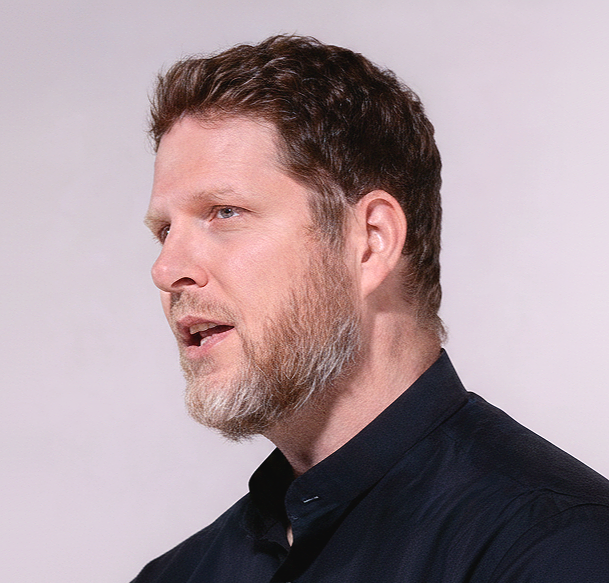
Thinking Across Difference | April 18
David Coolidge - FULL
-
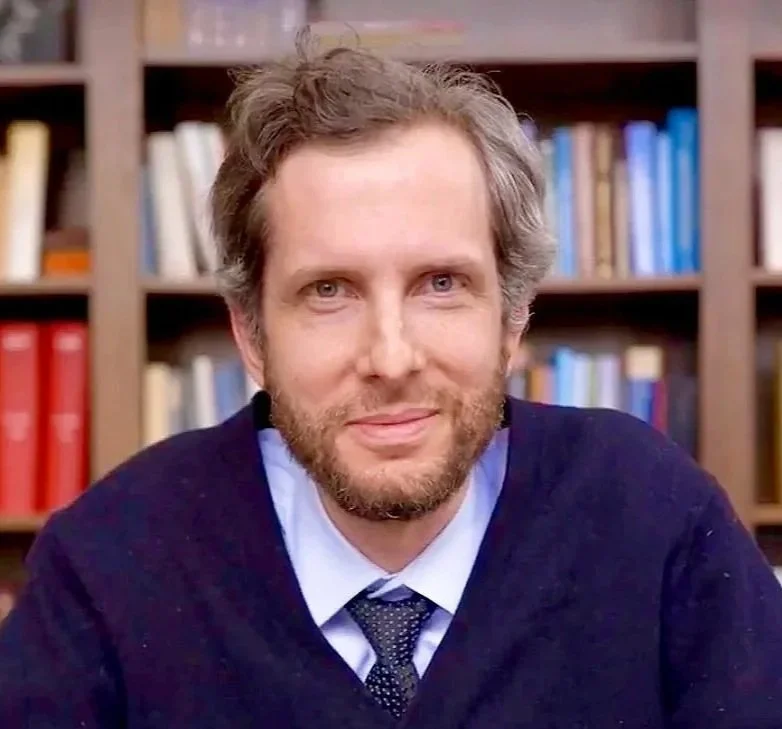
God's Names in Action | April 23
Yousef Casewit - FULL
-
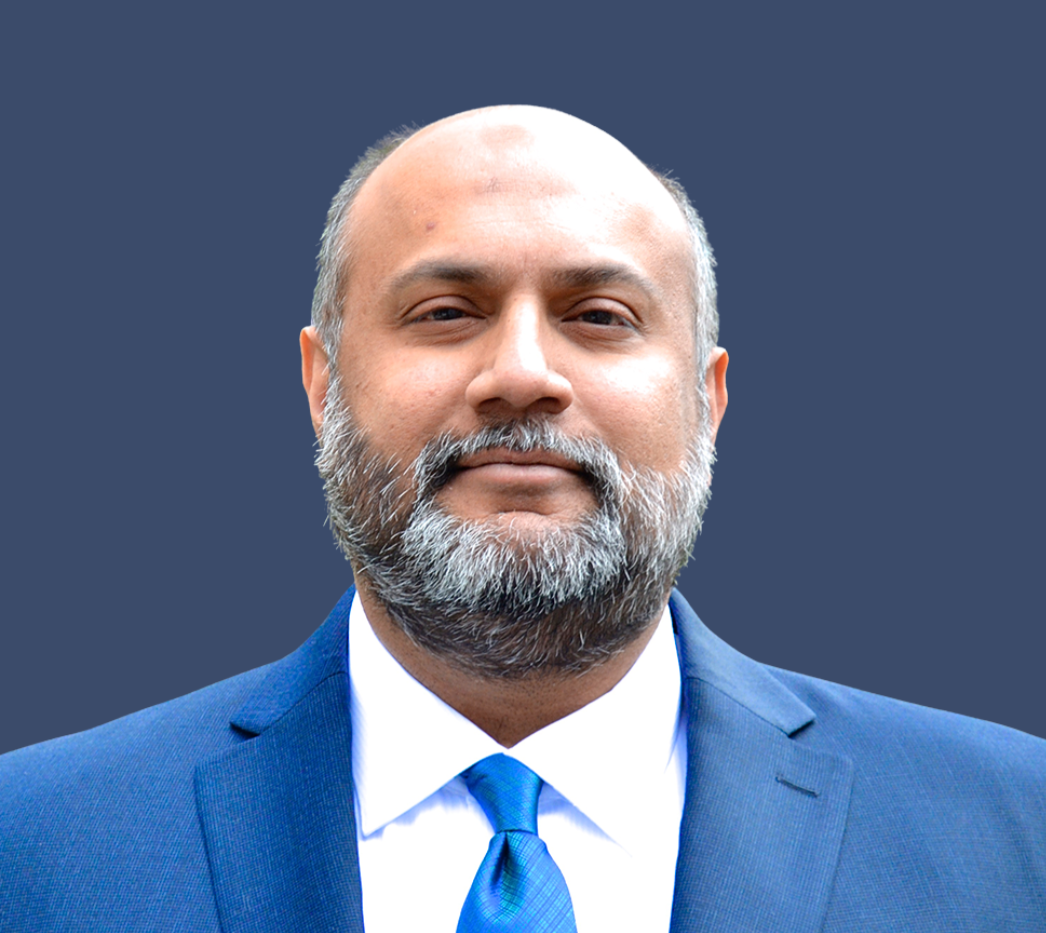
Cinema & the Muslim Image | May 2
Omer Mozaffar - FULL
-
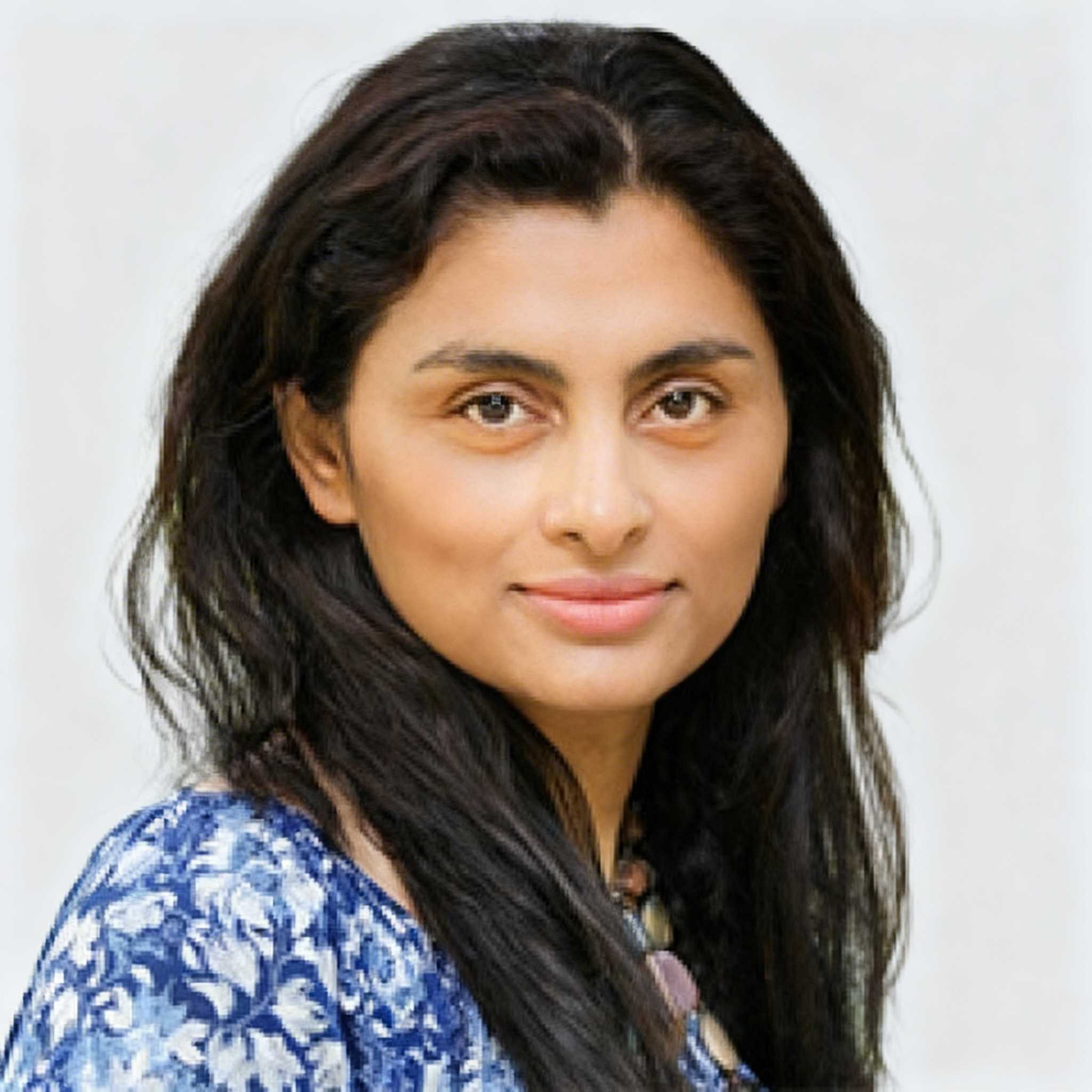
Islam, Ethics & Decoloniality | May 17
Maliha Chishti - FULL
Four sessions | 4:00PM - 6:30PM (including dinner)
-
This session examines how sustained engagement with religious difference reshapes theological self-understanding. Inspired by his scholarship on Muslim interpretations of Caitanya Vaiṣṇavism and his years in university chaplaincy, Dr. Coolidge reflects on how studying another tradition may refine, unsettle, or clarify one’s own commitments. Attention is given to the institutional conditions of encounter, especially those of the modern campus, which structure both the possibilities and limits of genuine exchange. Hindu–Muslim intellectual history anchors the session, opening onto a broader inquiry into the disciplined practice of engaging the religious other while remaining rooted in one’s own tradition.
R. David Coolidge is Research Faculty at Bayan Islamic Graduate School. He was previously the Associate University Chaplain for the Muslim Community at Brown University, the Muslim Advisor at Dartmouth College, and Adjunct Assistant Professor of Public Service at New York University. He received a PhD from the Graduate Theological Union in 2023, and an MA in Religion from Princeton University in 2008. He has served on the boards of various American Muslim nonprofit organizations, including Zaytuna College, Taleef Collective, and Al-Kisa Foundation. As a preacher, he has given hundreds of sermons/talks and led prayers in dozens of Sunnī and Shīʿī masjids around the country. R. David Coolidge has produced numerous academic publications, as well as books and articles of relevance to the wider American Muslim community.
-
This session explores a classical Sufi commentary on the divine names by ʿAfīf al-Dīn al-Tilimsānī, with Dr. Yousef Casewit, translator and editor of the text, guiding the discussion. In the Islamic tradition, the names of God are rooted in the Qurʾan and serve as primary means by which believers understand and relate to God’s reality. Al‑Tilimsānī treats these names as vectors of meaning that shape how one gives form to devotion and thinks about God’s presence in the world. Framed against ongoing theological debates about the divine attributes, he locates the names within a dynamic of relation and disclosure, where each name expresses a bidirectional relation between God and the created order. Dr. Casewit will consider how these historical insights remain operative for Muslims today, influencing prayer, theological reflection, and the everyday orientation of the self.
Yousef Casewit is a Qur’anic studies scholar. His research interests include intellectual history of North Africa and al-Andalus, Muslim perceptions of the Bible, and medieval commentaries on the ninety nine divine names. He has several publications, most recently The Mystics of al-Andalus: Ibn Barrajān and Islamic Thought in the Twelfth Century (Cambridge University Press, 2017), a study on Ibn Barrajan’s life and teachings. He is also the author of a critical edition of a Qur’an commentary by Ibn Barrajan (Brill, TSQ Series, 2016). His latest publication is The Divine Names: A Mystical Theology of the Names of God in the Qur’an, a translation and critical edition of a Sufi-Philosophical commentary on the divine names by the Algerian scholar ‘Afif al-Din al-Tilimsani (d. 1291) for the Library of Arabic Literature, NYU Press. He completed his M.A., M.Phil., and Ph.D. in Islamic Studies at Yale University’s Religious Studies Department.
Born in Egypt and raised in Morocco, he is fluent in Arabic, French and Spanish. Yousef has traveled throughout the Islamic world, and has studied with Muslim scholars in Morocco, Syria, and Mauritania.
-
Although widely known as Muslim chaplain and lecturer at Loyola University Chicago, Dr. Omer Mozaffar joins us to discuss a long-standing secondary passion: cinema. Named by Roger Ebert as one of his “Far Flung Correspondents” and a continuing essayist for RogerEbert.com, Mozaffar is a dedicated cinephile with a particular interest in how Muslims appear on screen, whether portrayed by Muslim filmmakers or by others. This session explores the cinematic encounter and the challenges of depicting Muslims on screen—how storytelling and industry conventions shape the Muslim image, and how filmmakers and audiences respond to those portrayals.
Omer M. Mozaffar teaches at Loyola University Chicago, where he is the Muslim Chaplain, teaching courses in Theology and Literature. He has given thousands of talks on Islam since 9/11. He is also a Hollywood Technical Consultant for productions on matters related to Islam, Arabs, South Asians.
In 2009, Roger Ebert named him as one of his “Far Flung Correspondents.” In 2011, the Graham School of the University of Chicago honored him with an “Excellence in Teaching Award” in Humanities, Arts and Sciences. He is a lifelong Chicagoan, involving himself in various educational, social service and charitable projects.
-
The final session examines how Islam is interpreted and translated through contemporary governance, development, and humanitarian frameworks, with particular attention to gender. Drawing on her ethnographic research in Afghanistan, Dr. Maliha Chishti explores how concepts such as choice, agency, harm, and coercion shape policy debates and interventions, and how these frameworks influence which ethical claims are recognized. It also asks what happens to Islamic ethical reasoning when it is translated into the language of global reform and public policy.
Maliha Chishti is an Assistant Instructional Professor of International Development and Peace in the Muslim World at the University of Chicago. Her research centers on Muslim cultural politics, peacebuilding, and international development. She employs decolonial and postcolonial feminist approaches to examine the international-local aid encounter in war affected Muslim-majority states. Her current research on Afghanistan looks at the intersections of gender, race, religion, and empire in the context of peacebuilding and foreign-funded gender reforms. Dr. Chishti has written on Islamic feminism, human rights, peace and security, and the orientalist underpinnings of the “War on Terror”.
In addition to her scholarly work, Dr. Chishti has extensive practitioner experience. She is the former Director of the Hague Appeal for Peace at the United Nations, and helped to initiate the historic Security Council Resolution 1325 on Women, Peace and Security. She also implemented one of the first post-conflict gender training programs for women in Afghanistan and was appointed by the Canadian government to be the Social Impact Consultant for Canada’s first and largest ‘signature’ aid project in Kandahar Afghanistan. She completed her PhD at the University of Toronto.
FULLY BOOKED
To be added to our waitlist, email info@seldoninstitute.org