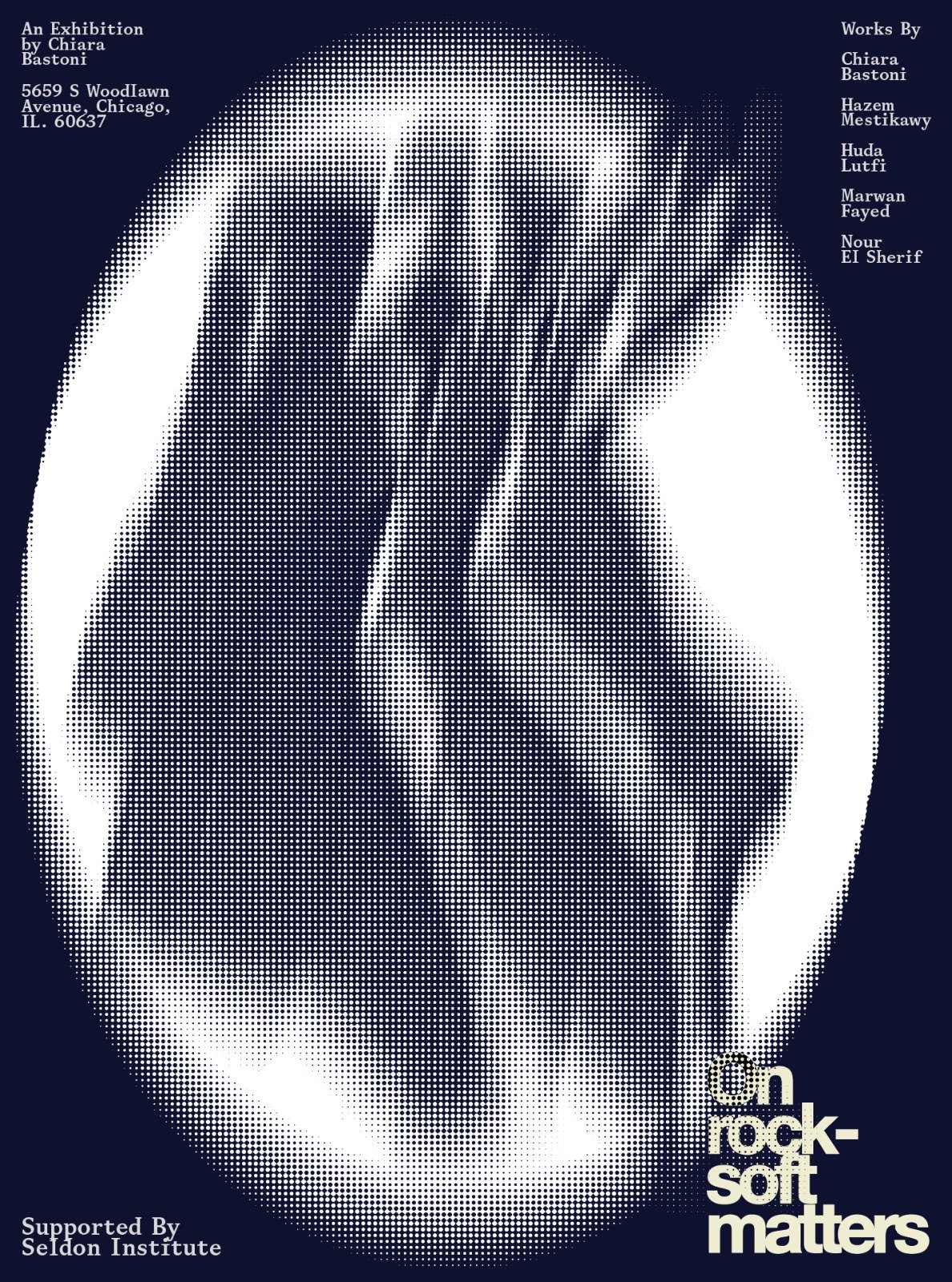
You’re cordially invited to visit On rock-soft matters, an immersive exhibition by Italian visual artist Chiara Bastoni. The exhibition features her 2026 film A Sun In The Palm alongside a selection of over one hundred visual works by Egyptian artists:
Hazem El Mestikawy — Huda Lutfi — Marwan Fayed — Nour El Sherif
This exhibition is a journey.
A space to enter slowly, to pause, to feel.
It invites you to see and resonate with the spiritual life within Islam in a new way through intimacy, emotion, and beauty.
Not as dogma nor as doctrine, but as an endeavour contributing to humanity.
Full spaces and empty spaces. Silence and sound. Repetition and immersion.
It is a world of metaphors.
Organs that hold oceans.
Flowers that carry a longing.
Photographs that speak in human voices.
The natural and the human are reflected in one another, entwined, inseparable.
This is not a passive exhibition.
It is performative.
It asks you to connect, to wander, to get lost.
To sit, to breathe, to talk, to rest.
To make the journey your own and allow it to resonate.
You will be welcomed.
Guided gently.
This is a collective meditation.
A space of beauty, empathy, and connection—
to yourself, to others, to the world.
-Chiara Bastoni
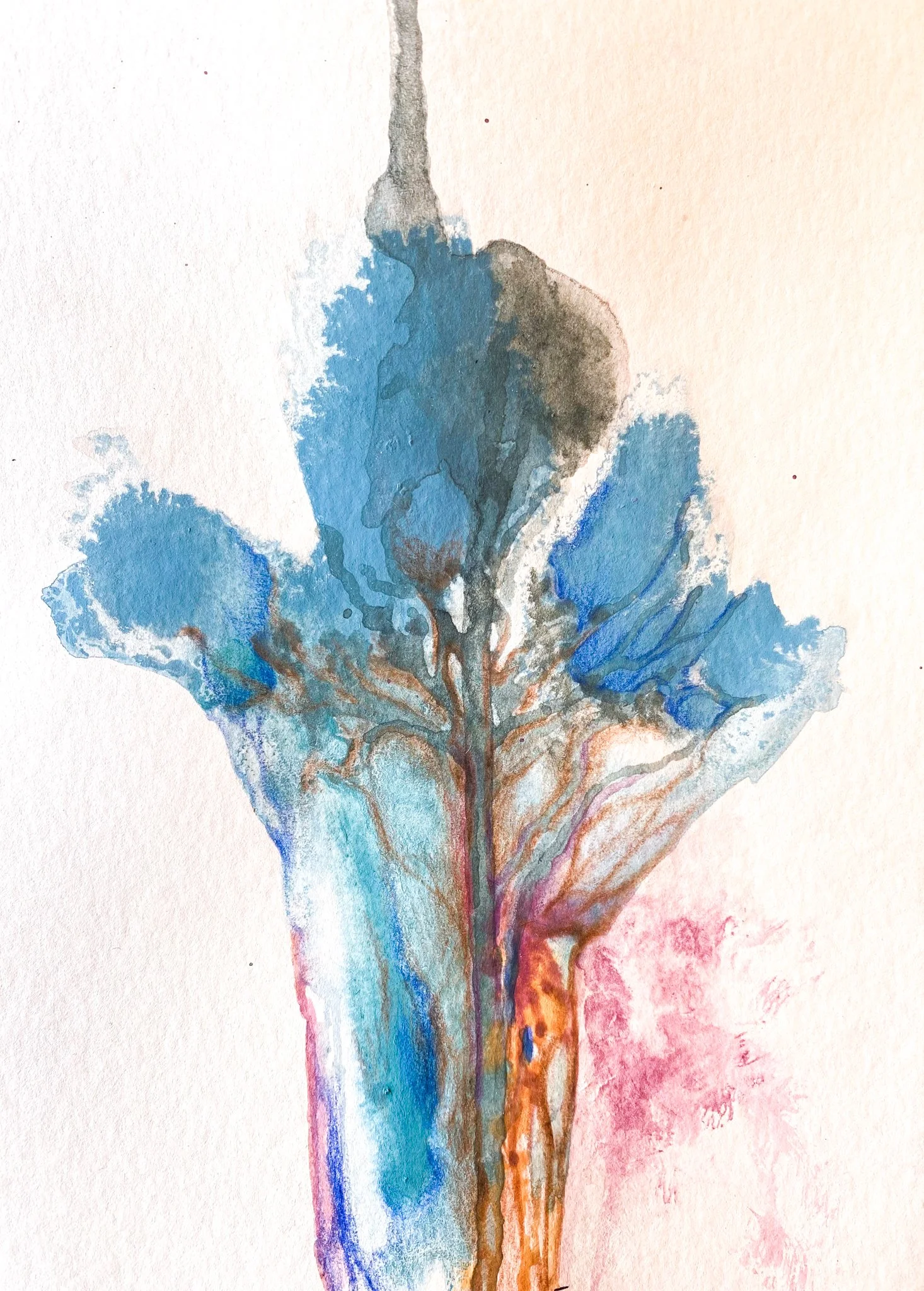
Artwork by Marwan Fayed
Thursday, April 2 - Sunday, April 12, 2026
5656 S Woodlawn Avenue, Chicago, IL. 60637
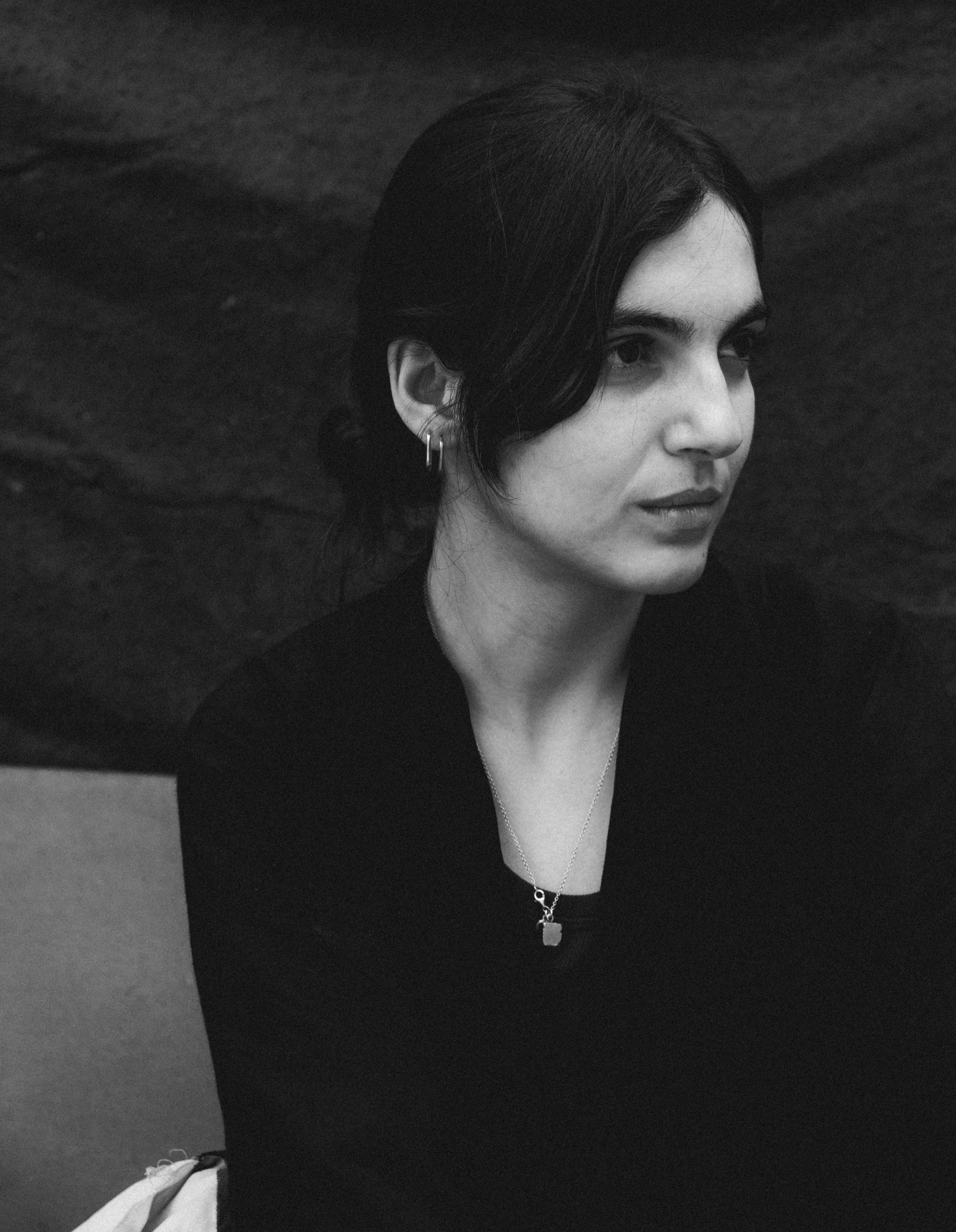
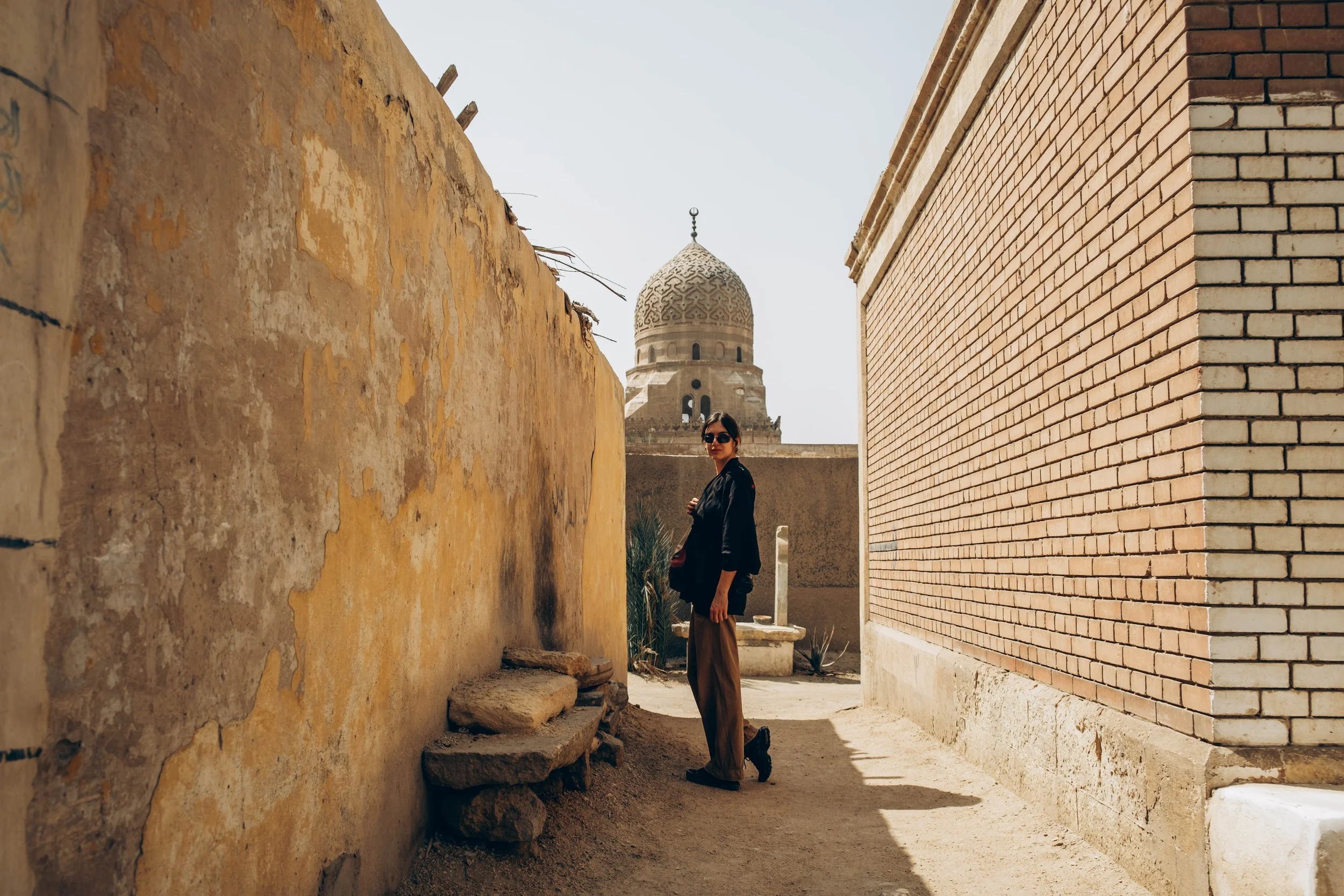
Chiara Bastoni is a visual artist and curator. She regards art as a tool for individual and, by extension, collective transformation, and works across multiple media. Through her own artistic practice, often in dialogue with the work of other artists, she seeks to allow aspects of reality, which she considers fundamental to humanity, to emerge in a visceral and emotional way. Her work aims to create conditions for reconnection with who we are and is guided by an intuitive, expansive, and experimental approach.
The subjects that populate her work are vital interpreters of the poetry that penetrates all things, fitting into a reflection on time, connection, impermanence, feelings of belonging, mystery and sacrality.
Chiara is a curator and researcher on a mission to create artistic experiences for personal transformation and empowerment. Holding a Master in Management of Creative Processes, Chiara has worked on a variety of art projects, within contexts like The Museum for the United Nations, Fendi and the Met, Live Art Denmark, KUNE Festival.
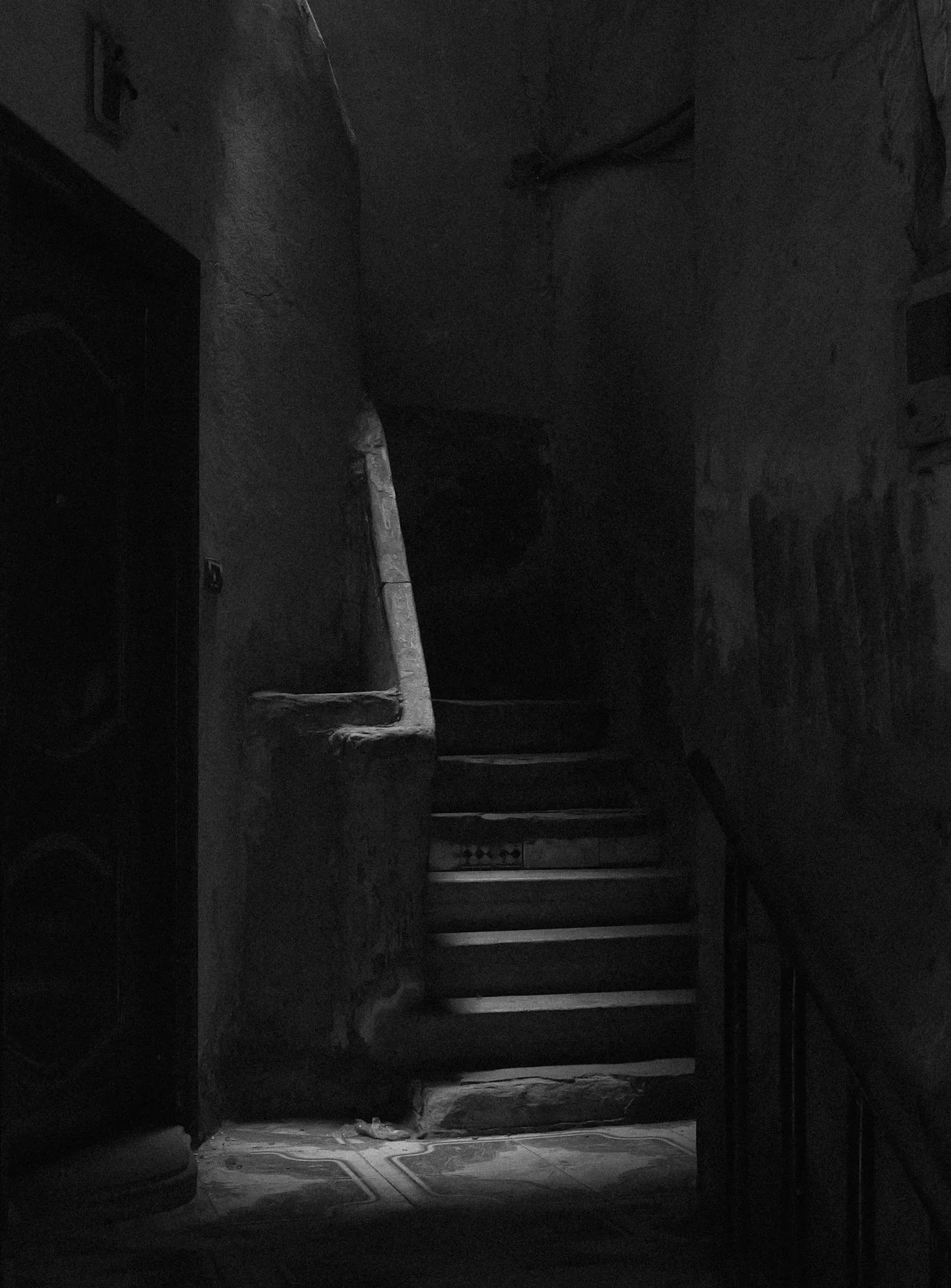
The exhibition and film are the result of a one year artistic/curatorial research project into Islamic ritual, engaging contemporary art within an Egyptian context.
The Artists
-
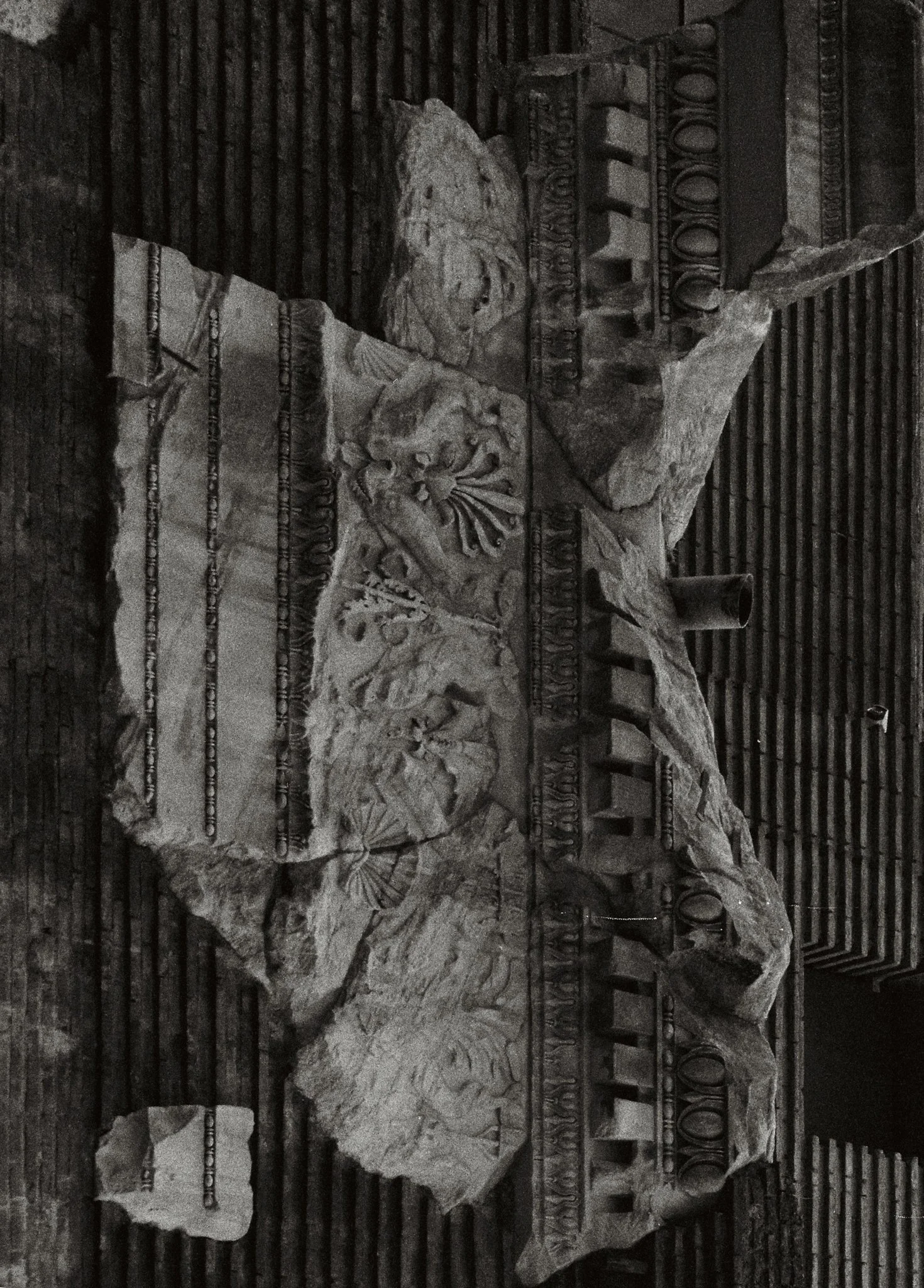
Hazem El Mestikawy (1965–2024) was a Swiss-Egyptian visual artist whose practice moved between architecture, sculpture, design, and drawing. Educated at Minya University, he lived and worked between Cairo and Alexandria and exhibited internationally across Europe, North Africa, and beyond. His work combined references to ancient Egyptian and Islamic architecture with modernist and Bauhaus-influenced minimalism, earning him global recognition, including the Jameel Prize in 2011.
Working primarily with lightweight materials such as cardboard and paper, El Mestikawy created installations and sculptural forms that appeared solid and monumental despite their fragility. His practice explored structure, light, volume, and spatial perception, challenging the boundaries between permanence and ephemerality. Rooted in architectural thinking, his drawings and sculptures translated principles of precision, balance, and construction into restrained geometric compositions that engage both historical visual systems and contemporary abstraction.
-
Huda Lutfi is one of Egypt’s leading contemporary artists whose contribution since the early 1990s has amassed global recognition in numerous international art venues. Trained as a cultural historian, she had a long academic career before dedicating her time to producing art where her intimate knowledge of and engagement with multiple historical, aesthetic, and mystical traditions are not only inspirational but central to her art practice. Indeed, much, if not all, of her work can be considered a translation of her research in the academic world into images and symbols for the artistic one.
Her work is infused with a spiritual depth that is expressed in her use of poetry and texts, her incorporation of signs, script, and geometrical figures that are accentuated through the meditative power of repetition. Just as Lutfi’s work is marked by spontaneity, playfulness, and simplicity, it simultaneously invokes an inward psychological experience as well as spiritual stillness and steadfastness. The human body often offers a canvas for the personal and becomes central to Lutfi’s artistic lexicon: mutilated, dismembered, constrained, shrouded, commodified, but also iconic, euphoric, dancing, floating, and ephemeral. Here too, Lutfi defies fixed oppositions of dichotomies, blurring the boundaries between the feminine and the masculine, the spiritual and the physical to foreground their interplay in the creative process.
-
Marwan Fayed is an artist, architect and researcher whose work navigates the intersection of material memory and the philosophical dimension of decay. Further, his work as an architecture scholar addresses gaps between traditional architectural rigor and modern expressive forms, embodied memory of space, semantics of dematerialization and aesthetics of loss.
His current body of work This Flower Has A Shadow explores both somatic and botanical bio-forming as a door for higher poetic presences of contemplation. The series is in continual formation and it comprises more than 90 drawings, carried out since November 2024.
-
Nour El-Sherif is a multimedia artist. She is an artisan and a designer in the first place. Making is a way to respond to the need to understand how things exist. She works closely with paper — a material she has used since childhood and instinctively returns to as the starting point of all her practices — as well as with clay and textile. At the core of her artistic journey is a persistent need for contemplation as a reason to keep looking and living. The drawing series here exhibited is a private and intimate recollection of a persistent and deeply personal inquiry.
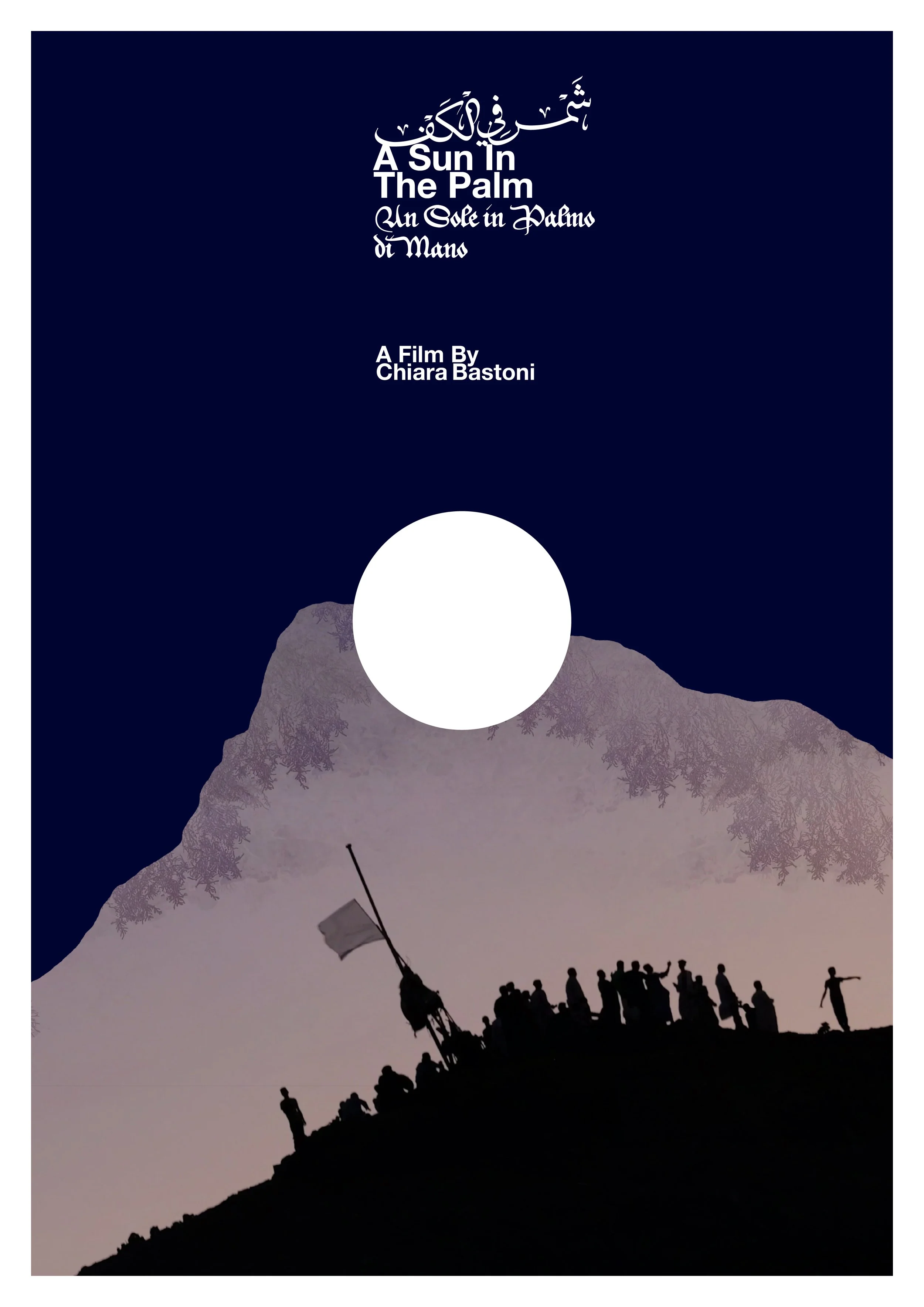
A Sun In The Palm | a film by Chiara Bastoni (2026)
Single-channel HD video with sound; 36 min
A Sun In the Palm is an experimental art film — an abstract, immersive journey into connection via sound and moving images. It unfolds in five acts, each highlighting the protagonists’ artistic practices that shape the narrative: Islam El Arabi, Moussa Eid and Ahmed Goma, Ahmed Yasser, Samir Shehata.
Each practice embodies a distinct way of connecting: to God and the body, to nature and life’s gentle core, to the self through beauty, to others through love and conflict, to others through acceptance and gentleness, and to the things of the world through empathy and unity. It’s an abstract, spiritual elaboration meant to engage emotionally rather than build a particular narrative, hoping to leave the viewer with questions that can remain unanswered.
Filmed through the eyes of a photographer, the film conveys connection and unity through visual associations and messages that both overlap and layer. It contains subtle, quiet references to Islamic rituals and Qur’anic passages, perceptible only to those who know or seek, a deliberate choice to keep the work universal.
-
Director / artist Chiara Bastoni
Camera Chiara Bastoni
Sound Rasmus Jon, Lucila Pelleriti, Chiara Bastoni, Tommaso Fusari
Editing Lucila Pelleriti
Music / sound composition
Act 1: All In Circles - Written and composed by Shida Shahabi
Act 2: Madre - Written and composed by C+C=Maxigross
Act 3: Cereal Rudestorm - Composed and produced by Bjarki
Act 4: Luxembourg Garden - Composed and produced by Vanity Productions
Act 5: Let It Go - Written and Composed by Peter Broderick
End Titles: Irhamna - Composed and produced by Anthony Sayhoun
Performers Islam El Arabi (Act 1), Moussa Eid, Ahmed Goma (Act 2), Ahmed Yasser (Act 3), Samir Shehata (Act 4), Emma Pernarella (V/O Intro and Act 5)
Producer Seldon Institute
The views expressed in the work do not necessarily represent those of Seldon Institute
On rock-soft matters
The exhibition unfolds as a quiet, immersive journey centered on delicacy, silence, and intimate exchange. You’re encouraged to visit with someone close to you and move through it slowly, sharing a moment of stillness and empathy — or to come alone and step away from daily noise.
Approximate visit length: 1 hour and 15 minutes (includes film screening: 36 minutes).